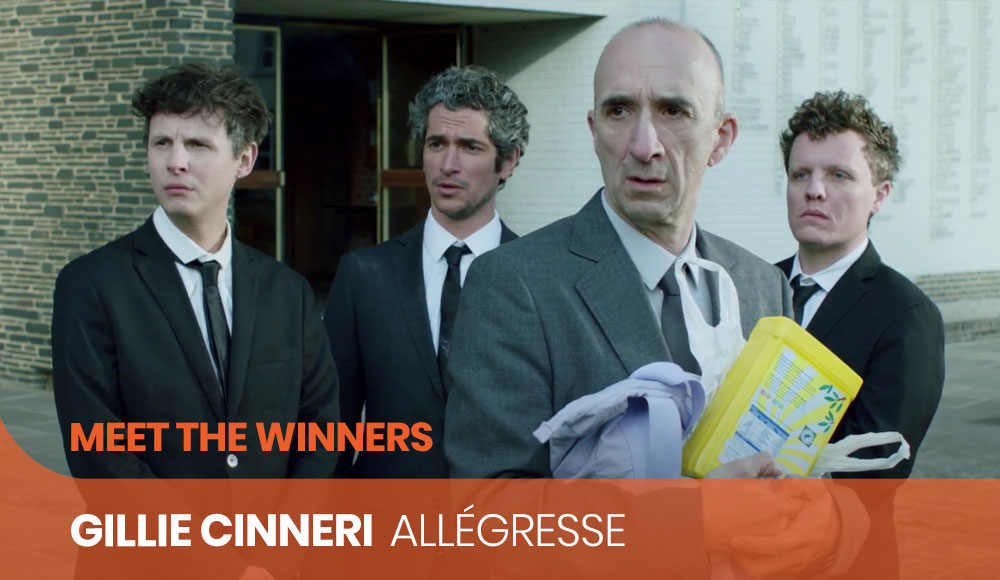
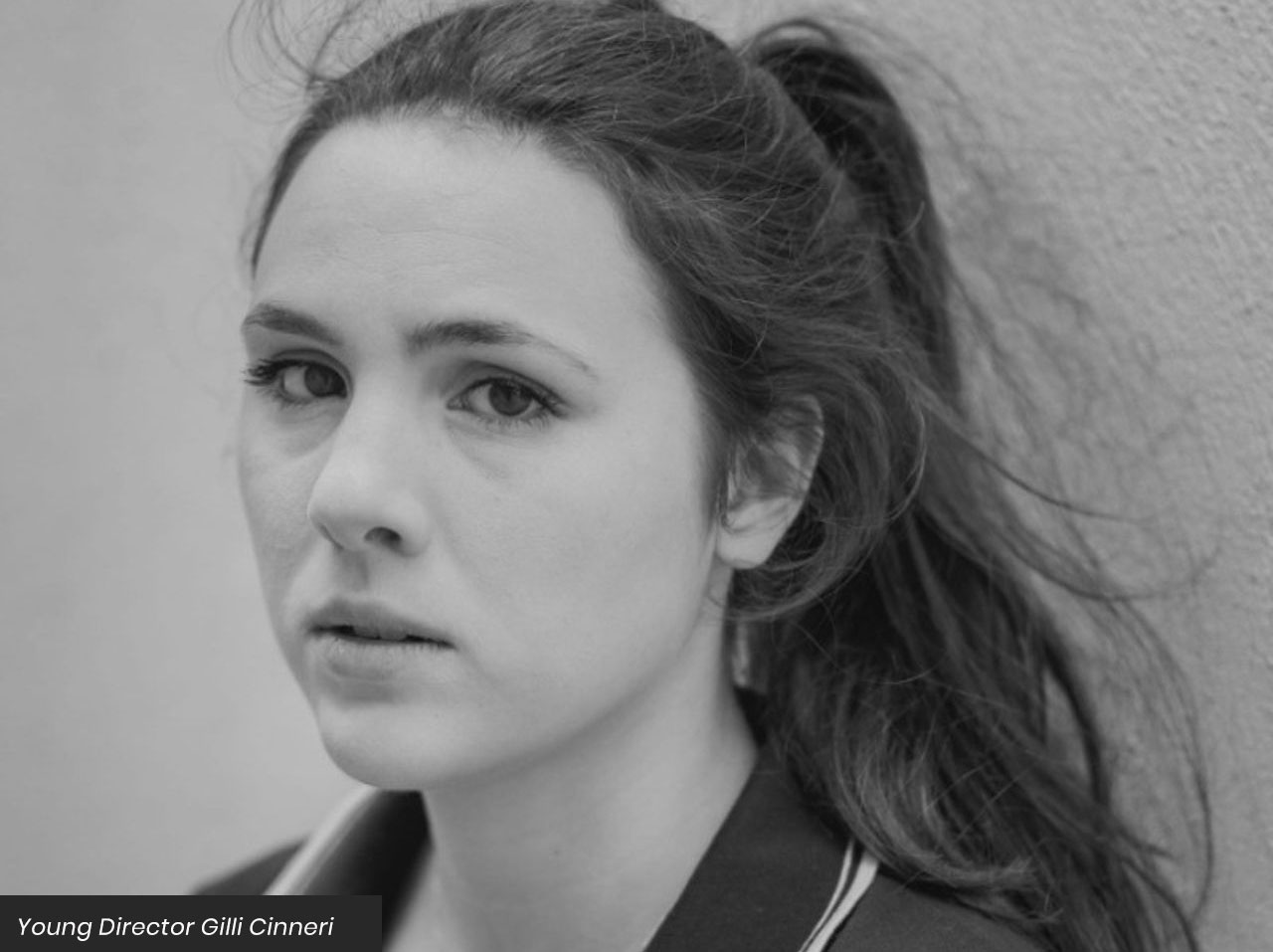
Gillie Cinneri talks us through casting choices, character development, and how watching a stranger being embalmed was the initial inspiration behind her dark and comedic Gold winning film, Allégresse.
Have you always wanted to be a director? What’s your favourite part of the directing process?
At first I wanted to be an actress, I actually went to theatre school after high school in Paris, before doing my film studies in Belgium. My favourite part of directing is working with the actors. Because of my previous studies in theatre, I always pay very close attention to my actors.
Where did you first get the idea for Allégresse? How did the story evolve?
A few years ago I found myself attending the embalming of a stranger in a funeral home. I was fascinated by the colour and rigidity of cold his skin, and above all I was amazed by and curious about the female embalmer, who truly liked her job. She made me see corpses and death in a different, beautiful kind of way.
The story evolved a lot from my original concept. At first, the character of Serge’s child, Inès, wasn’t so prominent, and the same for Michel’s ashes, but they became more present in the story when I decided how their relationship would develop.
What were your visual inspirations for the film?
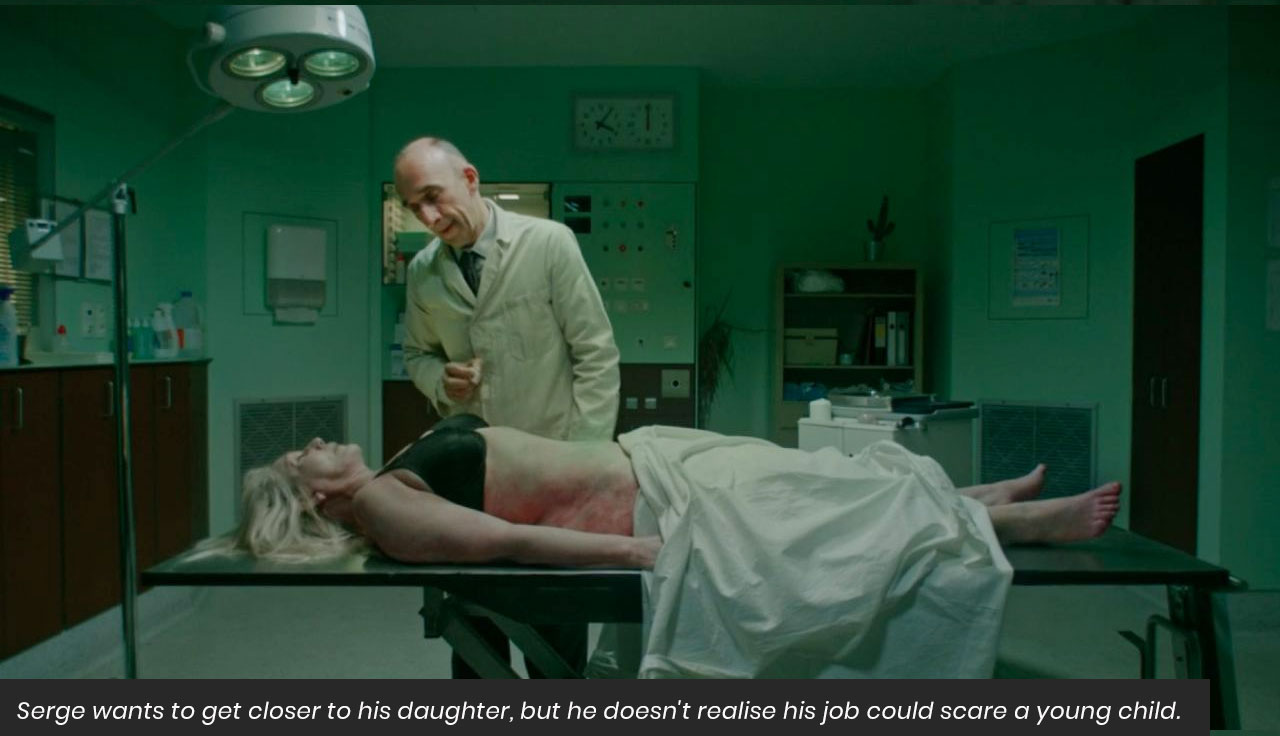
My DOP, Samuel Hermand, was very inspired by Roy Anderson’s films. I was more inspired by Todd Solondz films, such as Wiener dog. I think the final product is a mix of both of our inspirations.
Can you talk us through how Serge and Inès’ characters develop, and how their relationship with each other changes?
At first, Inès and Serge don’t know much about each other. Serge and Inès’ mother are divorced, and Inès lives with her mum. Serge would like to get closer with her but he doesn’t know how to. Inès, as with most children, doesn’t spare his feelings and makes it clear that she doesn’t care for him. Serge is trying, but he is terribly clumsy, not realising that his job could shock this little girl. It’s Michel’s ashes, in other words death, that finally brings them together.
In the end, we see that their relationship has evolved when Inès tells his dad she loves him. At the same time though, it was important for me to keep the cruel, dark tone I had developed throughout the film, and Serge should ultimately remain lonely, always closer to the dead than to the living.
What was the casting process like? Why did you choose these actors?
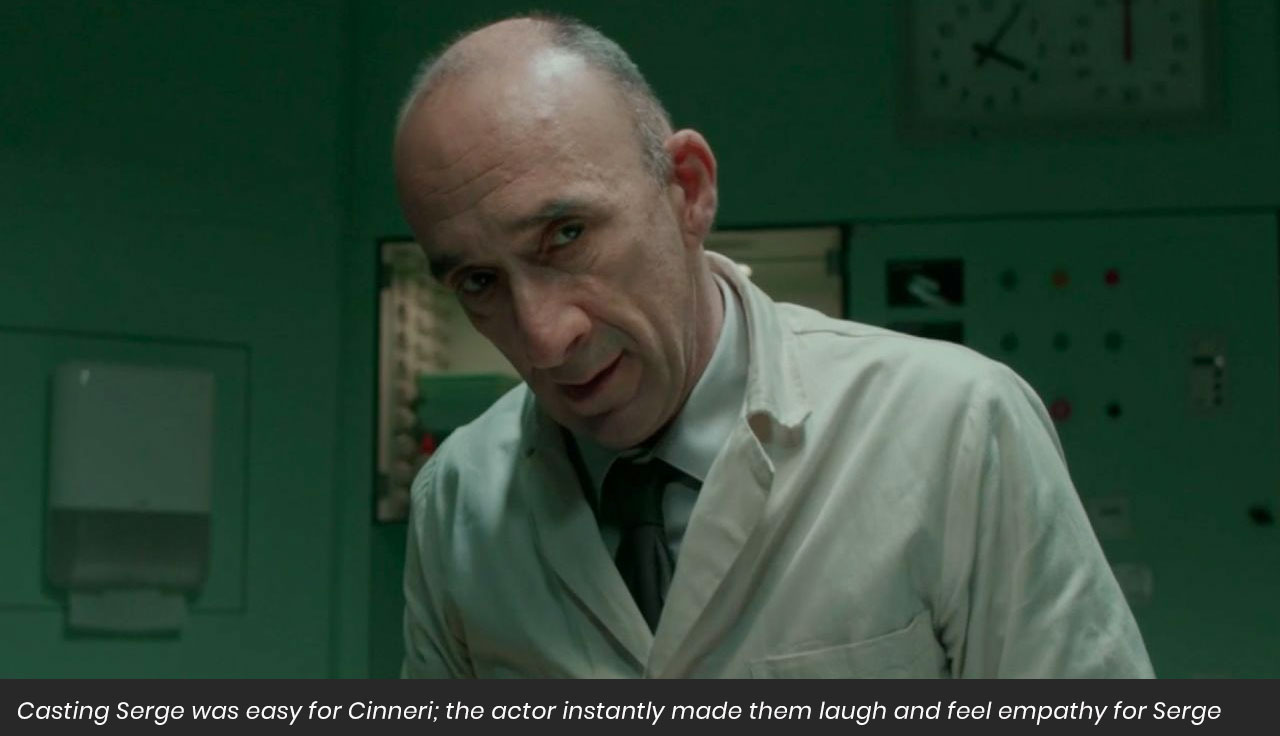
Choosing Serge was easy. During the casting he made me laugh, and I had a lot of empathy for him. I knew he would fit the character perfectly. For Inès, it was way more difficult. I don’t particularly like directing children, so I had to find the perfect girl who could be patient and repeat the same take over and over again.
I couldn’t find the one, so eventually I asked around theatre schools and finally found her. She’d never been in a film before, but her glasses, her deep voice and her large sweatshirt convinced me that she was Inès.
How long did it take you to make the film? What were the best and most challenging aspects?
The shooting was 8 days long, and the whole creative process lasted one year and a half. The most challenging aspects were finding all of the sets, and to move from set to set every two days.
I think the cars and the truck smashing the ashes was the best scene to film! It was stressful, but also very funny.
What does it mean to you to win a YDA?
I really regret not having been there for the ceremony in Cannes! It was frustrating to not truly taste the victory of winning. My previous wins at festivals have been audience awards for the main acting part, so I’m glad to also be recognised by a professional jury, especially as my film is more of a comedy than a serious drama!
What’s next for you?
I’ve finally graduated now, and I’ve already had a new idea for a short film that I’ll develop soon. I’d also like to develop a feature film!
Interview by Amy Hey shots