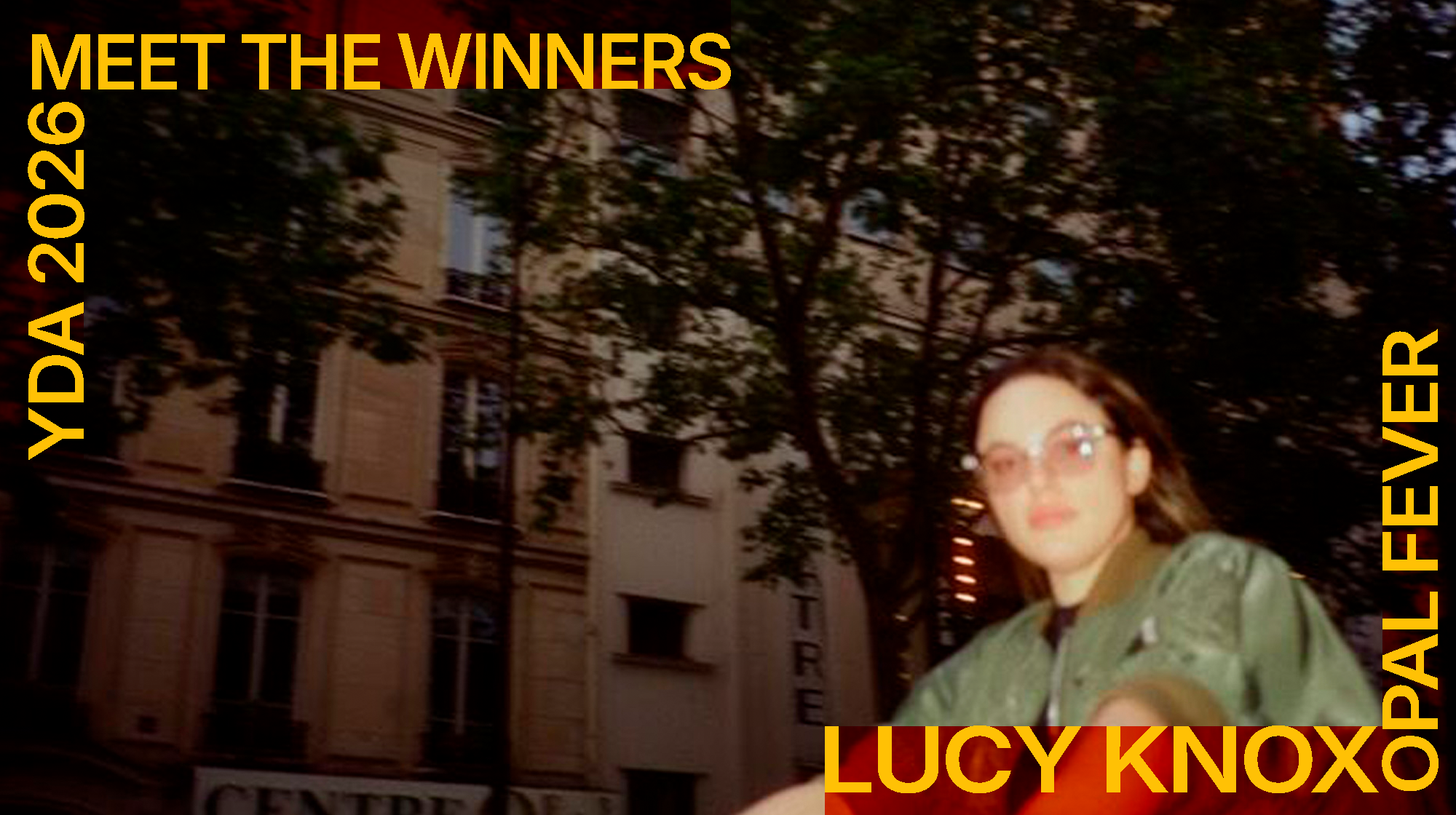
Director Lucy Knox’s YDA Gold-winning documentary, Opal Fever, captures the experiences of women living in an isolated opal mining town. Here, she shares the joy of finding stories on the ground and going back to her video art roots.
What has your directing journey been like so far? Was it something you always wanted to do?
I think in hindsight it was all leading to directing. I always made little videos as a teenager as a hobby, but I thought I’d end up a painter until I got rejected from painting school and the university talked me into studying video art instead. (I think it had low attendance).
I ended up loving how it felt like painting, but with video and performance. From there, the work I made was always pretty narrative-driven, so eventually (after two more film school rejections) I did study directing. I think if directing wasn’t for me, maybe I would’ve bowed out earlier. That process of rejection and finding moments of joy amidst it has continued, and is something I’m coming to accept as part of the process of putting work out in this industry.
That process of rejection and finding moments of joy amidst it has continued, and is something I’m coming to accept as part of the process of putting work out in this industry.
Lucy Knox – Opal Fever
What does it mean to you to win a YDA?
It’s hugely exciting; coming from Australia, the rest of the world can feel very far away – and YDA and Cannes feel like the epicentre of the industry, so it’s hugely meaningful for the work to be recognised there. Particularly on a craft level too.
How did the concept for this documentary evolve and how did it come into existence?
It came out of a few things coming together. I was fascinated by the world of opal mining in Australia from afar, and I also wanted to make something with a small crew of friends – I was craving that process of finding the story on the ground as we went. It probably also goes back to those video art roots of wanting to make a documentary that was less traditionally narrative and more tonal than linear.
There were a few really interesting contacts we made – who then disappeared into opal mining and dropped off contact for a week or so, by which time we were gone.

The film links beauty, desire and obsession/aspiration with the town’s opal mining history. Was this theme planned from the start, or did it emerge through the interviews and edit?
It emerged through the process. It was always going to be about the women in this world – that was the initial spark. Then once we got there and I learnt that opal has no function beyond beauty, that thread of beauty, desire and aspiration surfaced naturally, and we leant into it in the edit.
We weren’t filming the whole time – we were casting and location scouting as we went.
How did you cast and find interviewees for the documentary, and how much time did you spend there?
We were there about five days, but we filmed across two towns a six-hour drive apart, so there was a lot of time travelling. We weren’t filming the whole time – we were casting and location scouting as we went.
About half the people in the film we’d connected with remotely before landing, but these areas are hard to reach from afar; some people we could only find by being there. I wish we’d had longer, there were a few really interesting contacts we made – who then disappeared into opal mining and dropped off contact for a week or so, by which time we were gone.
When something isn’t feeling right in the moment, it’s not going to feel right in the edit; no amount of reworking it in post will fix that misalignment.

What did this project teach you about your voice as a director?
I think it really taught me to trust my instincts. When something isn’t feeling right in the moment, it’s not going to feel right in the edit; no amount of reworking it in post will fix that misalignment – so it’s better to change something, or move on, than film something that isn’t working.
Are you working on anything at the moment? What’s next?
I’m developing some feature films, and I just made a short film for my friend’s sandwich shop that should be coming out soon.
Interview by Amy Hey for shots
All images courtesy of shots


